Self-Custody Starting Point

A Calm Bitcoin-Only Path Into Taking Custody of Your Own Coins.

Bitcoin Plaster is about what self-custody means, what it requires, and what the tools around it actually do, written for people who already hold Bitcoin, are preparing to, or are trying to think clearly before they act.

  • Bitcoin-only
  • Trust-first
  • No crypto casino noise
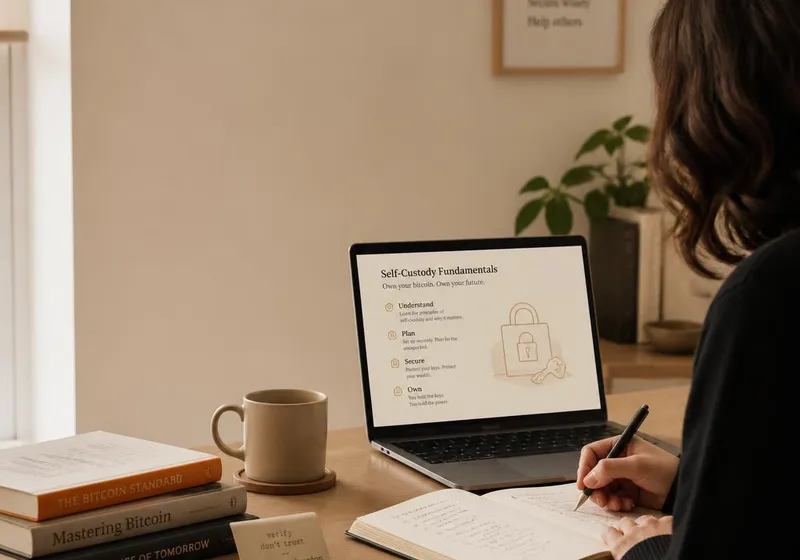
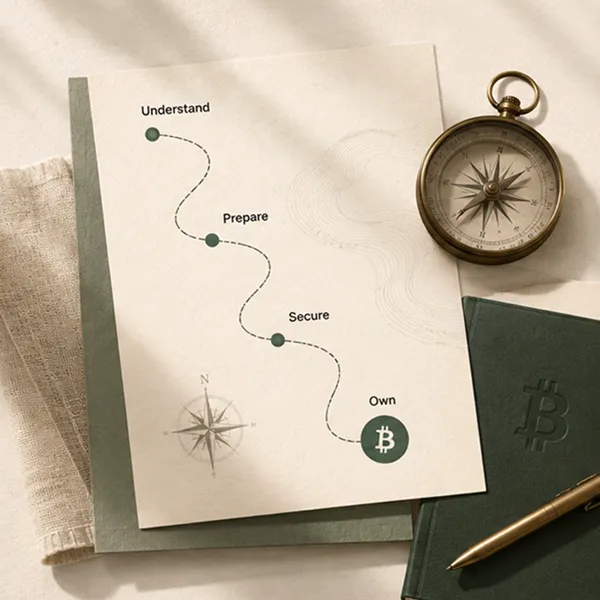
A calm Bitcoin self-custody path map with compass, notebook, and pen on a warm desk.

Why it matters

Self-custody is the practical response to documented risk.

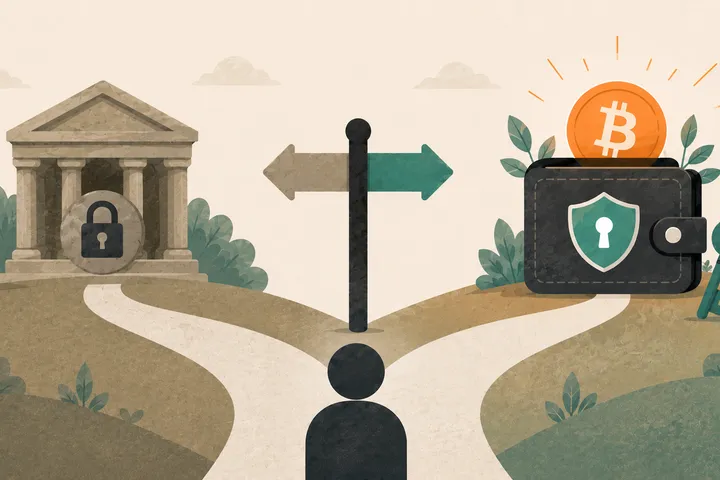
Exchange failures are not rare events. When someone else controls the keys, your access depends on their solvency, their policies, and their operational competence. Self-custody is not paranoia. It is the sober response once you understand there is no support line for money you do not control.

The stakes

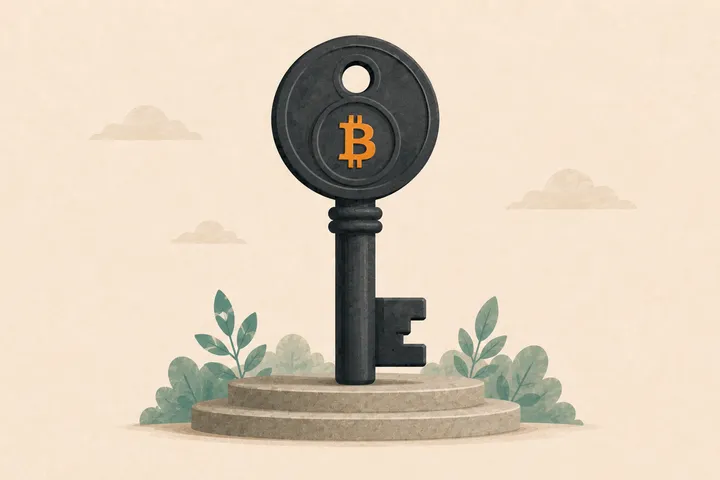
Not your keys, not your coins.

The phrase is familiar because it is literal. If someone else holds the keys, you hold a promise. Promises can be delayed, frozen, repriced, or broken when the situation turns against you.

Custody is a responsibility, not a feature.

What goes wrong

Losses from failures, hacks, and frozen withdrawals keep pointing to the same lesson: custody matters before the crisis, not after it.

People sitting together and reviewing information in a calm indoor space.
Bitcoin self-custody books, notes, and hardware wallet tools on a desk.

No undo

A custody mistake usually cannot be reversed. Slow is the safe speed, and clear understanding matters more than rushing to feel finished.

The reading order

If you only follow one path, follow this one.

Five steps, in order. Each builds on the last. There is no prize for finishing fast.

  1. Understand the swings.

    Bitcoin does not move in a straight line. Decide how you will react to volatility before you own any.

    Read
  2. Learn what self-custody means.

    What it is to hold your own private keys, and what practically changes day to day when you do.

    Read
  3. Understand seed phrases and backups.

    How a seed phrase works, how backups fail, and how to store one without exposing it.

    Read
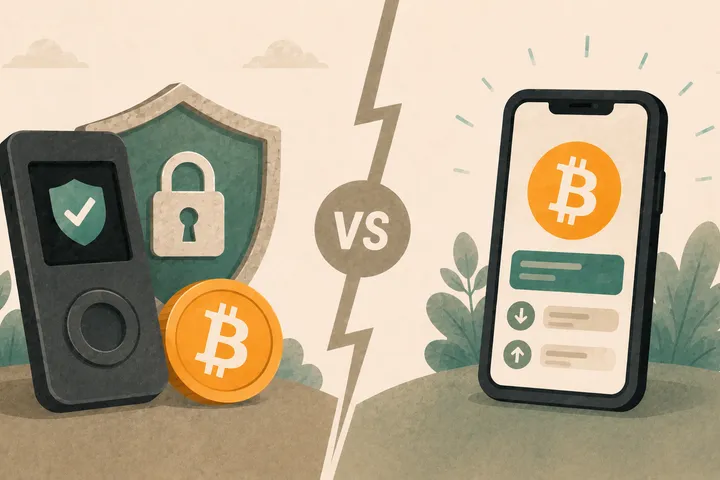
  4. Decide on a hardware wallet.

    When a hardware wallet makes sense, what it protects against, and what to consider before buying one.

    Explore
  5. Move off the exchange, carefully.

    Verify the address, send a small test first, and confirm recovery before moving the rest.

    Read

How we teach

Trust-first, by design.

We would rather you read slowly and act once than move fast and undo a mistake. Everything here follows the same few rules.

  • Plain language first.

    We explain the concept before the jargon, and define terms where they appear. No assumed background.

  • Tradeoffs before recommendations.

    We explain what something protects against, what it costs, and what can still go wrong before suggesting a next step.

  • No hype, no pressure.

    No price predictions, no urgency, and no affiliate pushing. The goal is fewer mistakes, not more clicks.